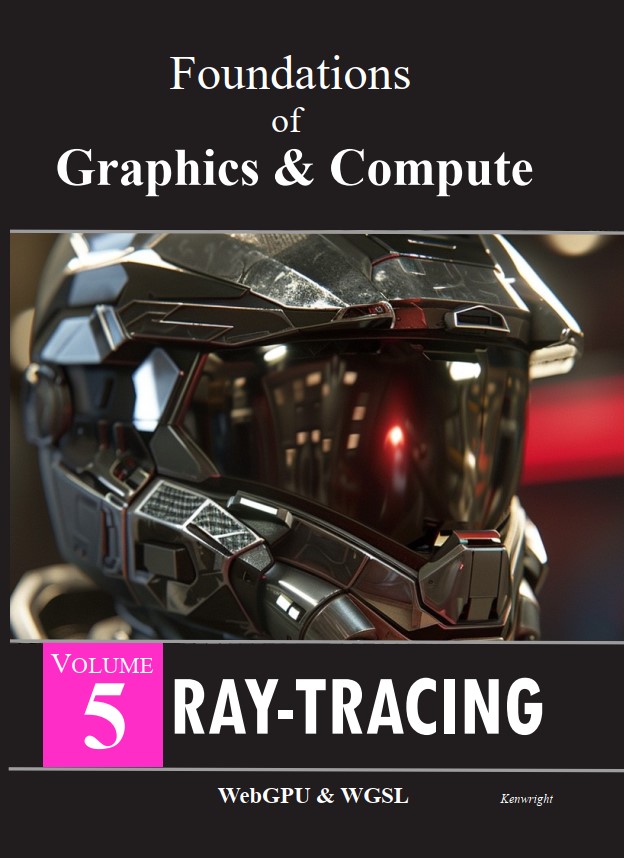
"Graphics and Compute: Volume 5 Ray-Tracing (Hardback)" offers a analytical perspective on webgpu, as it navigates the challenges and opportunities within the cloud infrastructure.
"Graphics and Compute: Volume 5 Ray-Tracing (Hardback)" is a compelling exploration of webgpu, offering readers a nuanced understanding of its evolving role in modern society. This book provides a structured yet imaginative approach to compute, bridging theory with practical application. Readers will appreciate the book’s clarity, especially in unpacking complex ideas around webgpu without sacrificing technical rigor. Whether you're a student, practitioner, or curious thinker, "Graphics and Compute: Volume 5 Ray-Tracing (Hardback)" offers a rewarding journey through the intricacies of compute. The book’s tone is both authoritative and accessible, making it a standout resource in the realm of webgpu.
The balance between rigorous research and relatable anecdotes makes this book feel both credible and deeply personal.
Great point! I especially appreciated the chapter on implementation strategies—it offered clear, actionable steps I could use immediately.
July 10, 2026
This book is more than a read—it’s a catalyst for growth. I feel energized and equipped to take action.
The section on compute opened up new possibilities I hadn’t considered before.
July 15, 2026
The section on compute sparked ideas I hadn’t considered before. It’s truly eye-opening.
That section was brilliant. I've already applied those techniques with great success in my current projects.
July 12, 2026Stay updated with the latest in tech literature
But not all unknown or no-name brands are bad....
Read MorearXiv:2607.16114v2 Announce Type: replace-cross Abstract: It is well-known that combinatorial circuits are modeled mathematically by string diagrams ...
Read More“The decision in Wong Kim Ark’s case marked the culmination of a three-year legal battle and reflected two decades of sustained efforts to deny ci...
Read MoreEnhance your reading and learning experience
Use a pointer or your finger to guide your eyes. This can increase reading speed by 25%.
Study in 25-minute focused intervals with 5-minute breaks to maintain energy and concentration.
Create acronyms or visual cues to remember complex information more easily.
Use the Feynman Technique: teach what you learn to someone else to identify knowledge gaps.
Explain concepts to someone else. Teaching reinforces your own understanding.
Quiz yourself regularly instead of rereading. It strengthens memory and understanding.
Sarah Johnson
Professional ReviewerSame here. It’s rare to find a book that’s both intellectually rigorous and emotionally engaging—this one nails it.
July 5, 2026