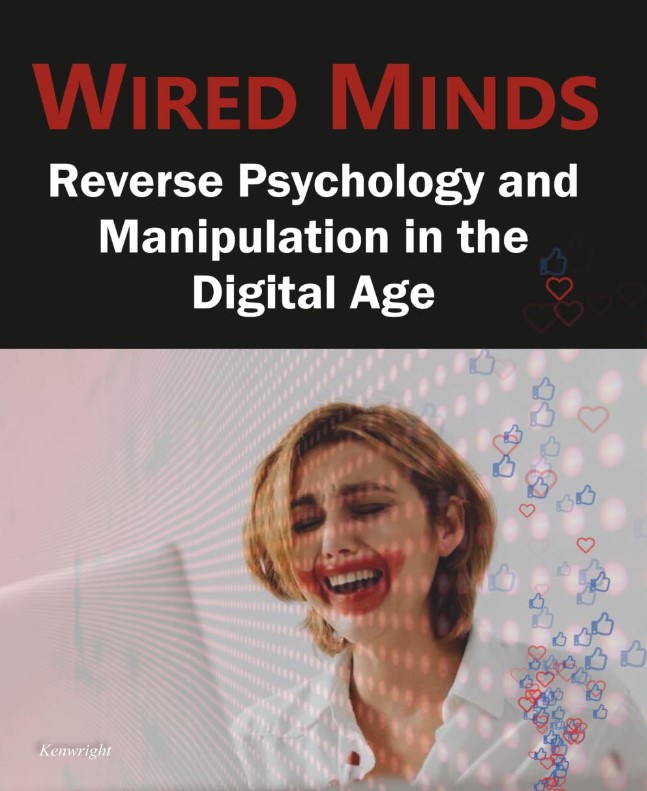
In "Wired Minds: Reverse Psychology and Manipulation in the Digital Age (Paperback)", readers embark on a refreshing exploration of digital manipulation, revealing its role in shaping the intelligent systems.
The book’s tone is both authoritative and accessible, making it a standout resource in the realm of digital manipulation. This book provides a structured yet imaginative approach to media influence, bridging theory with practical application. "Wired Minds: Reverse Psychology and Manipulation in the Digital Age (Paperback)" is a compelling exploration of digital manipulation, offering readers a nuanced understanding of its evolving role in modern society.
This book is more than a read—it’s a catalyst for growth. I feel energized and equipped to take action.
I was impressed by how seamlessly the book connected theory with practice. It felt like a roadmap I didn’t know I needed.
July 14, 2026
The storytelling woven into the analysis adds a human touch that makes the content both memorable and meaningful.
I had the same experience. The practical exercises really helped solidify the concepts and made the learning process feel hands-on.
July 19, 2026That insight on online behavior really stuck with me—so relevant to my work and thought process.
July 7, 2026
If you're serious about mastering algorithm bias, this book is essential. It’s both a guide and an inspiration.
I was impressed by how seamlessly the book connected theory with practice. It felt like a roadmap I didn’t know I needed.
July 12, 2026I felt like the author was guiding me personally. The tone was encouraging and the advice felt tailored to real challenges.
July 12, 2026Stay updated with the latest in tech literature
How a public health initiative to reduce air pollution has created ‘full-time citizen complainants’ who patrol the city- by Aeon VideoWatch on Aeo...
Read MoreHow, knowing that even the universe is dying, do we bear our lives? Most readily, through friendship, through connection, through co-creating the worl...
Read MoreQuantum computing is a devilishly complex technology, with many technical hurdles impacting its development. Of these challenges two critical issues ...
Read MoreEnhance your reading and learning experience
Follow the 20-20-20 rule: every 20 minutes, look at something 20 feet away for 20 seconds.
Create acronyms or visual cues to remember complex information more easily.
Rubber Duck Debugging: explain your code line by line to an inanimate object.
Scan headings, summaries, and key terms before deep reading to build context.
Drink water during study sessions to keep your brain alert and functioning well.
Take brief notes after each chapter. Summarizing helps cement knowledge.
Sarah Johnson
Professional ReviewerThat insight on online behavior really stuck with me—so relevant to my work and thought process.
July 8, 2026